Tattoo Design
Tattoo Design Ideas and How to Choose the Right Stencil
Fine line, blackwork, botanical and geometric tattoo styles, what to look for in a stencil, and how a design ages on skin.
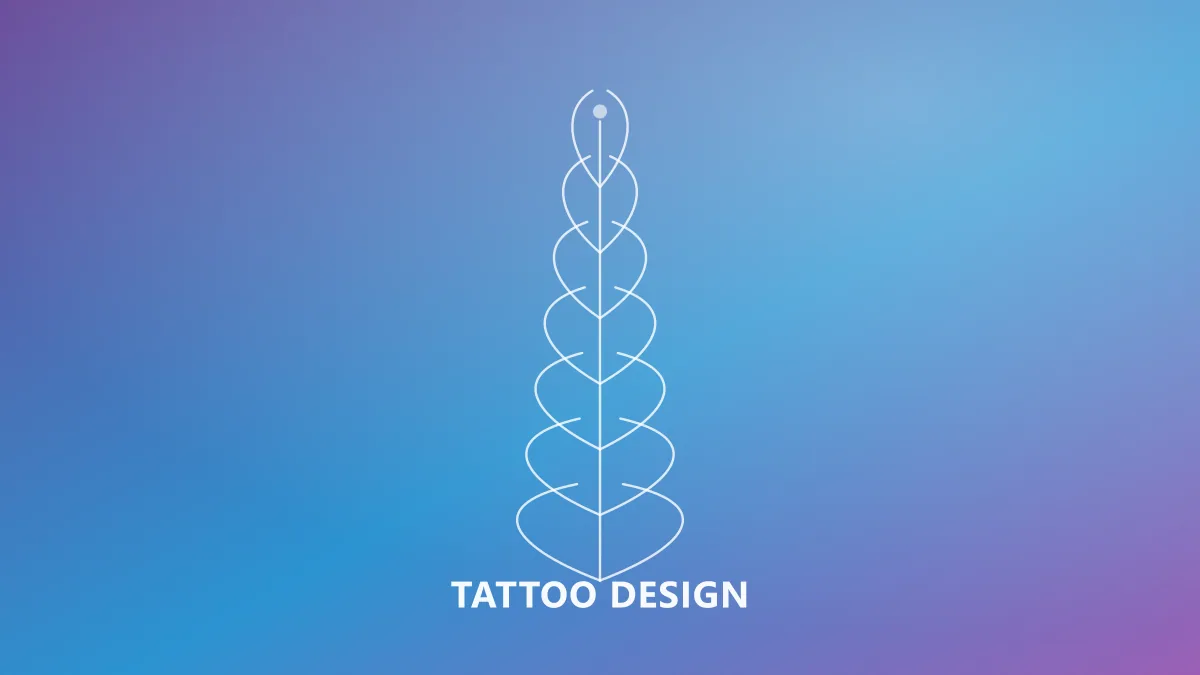
A tattoo design looking good on paper is not enough. How it sits on skin, how it looks after healing and how it reads ten years later are all part of the design decision. This piece covers the practical side, from picking a style to judging stencil quality.
The styles and who they suit
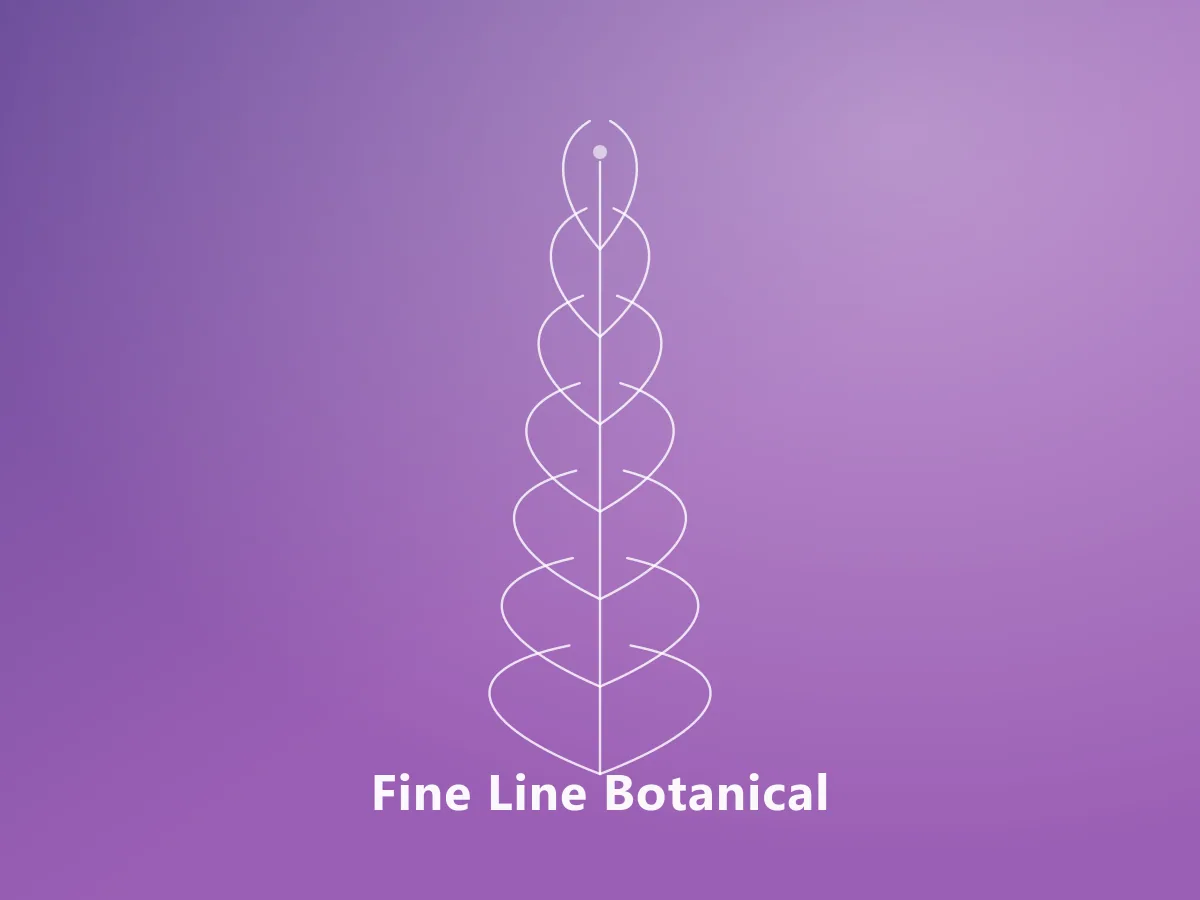
Fine line
Elegant and restrained work built from thin lines. It suits botanical motifs, minimal symbols and lettering. Its strength is simplicity; its risk is longevity, because very thin lines can spread. Choosing line weight against real needle gauges is what makes or breaks fine line work.
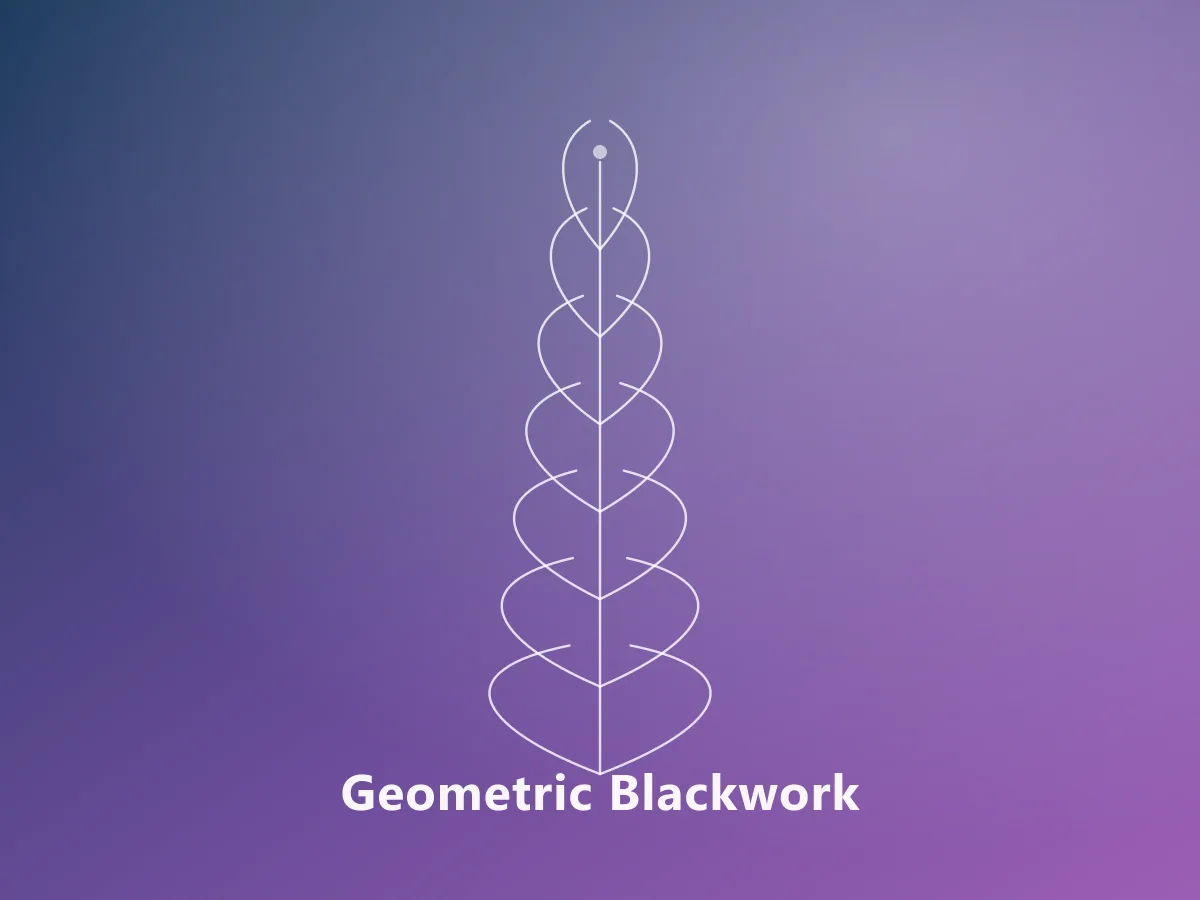
Blackwork
Heavy black fills and strong contrast. It suits geometric forms, mandala work and large coverage pieces. It is one of the best ageing styles, because solid areas hold up well against detail loss.
Botanical
Built on leaves, branches and flowers, and flexible enough to work in both fine line and shaded techniques. Because it follows the natural lines of the body, it is a common choice for arm, shoulder and back placements.
Geometric
Built on symmetry and repetition. Its biggest advantage is predictability: armbands and panel pieces can be composed precisely before the needle touches skin. Its biggest challenge is that it is unforgiving, since any drift in symmetry is immediately visible.
Placement shapes the design
The same design behaves very differently on a wrist and on a back. A rough guide:
- Small, detailed designs: inner arm, wrist, ankle and other low-movement areas
- Large compositions: back, chest, thigh
- Armbands and panels: upper arm, forearm
- Fast-ageing areas: hands, fingers, soles, where fine detail does not last
Printing the stencil at its real size and holding it against the placement tells you far more than judging it on screen.
Three things that define stencil quality
1. Consistent line hierarchy
In a good stencil, line weights are not arbitrary. Outlines are heavier and internal detail lighter, creating a hierarchy. Without that hierarchy, the design flattens after healing and becomes hard to read.
2. Negative space
If there is not enough space between lines, detail merges as the ink spreads over the years. Professional stencils account for that spread in advance. A practical rule: the gap between two lines should be at least twice the line weight.
3. Resolution and file format
An image below 300 DPI shows stepped edges once printed onto stencil paper. Professional packs such as our Fine Line Botanical Pack include 300 DPI PNG files alongside scalable SVG and PDF, so the design can be enlarged without any loss.
For artists: working from ready-made stencils
Using a ready-made stencil is not copying a design. In practice it works like this:
- Agree on style and composition with the client
- Use the stencil as a starting point
- Adapt size, proportion and detail on the vector file for that client
- Print the final stencil
This shortens design time noticeably and, in busy studios, cuts the preparation time spent per appointment.
For personal use: what to check
If you are choosing a design for yourself, ask three questions:
- Will this still mean something in ten years? Trend-driven symbols age quickly.
- Is the detail level right for the placement? Cramming detail into a small area is the most common mistake.
- Does my artist work in this style? A fine line specialist may not be the best choice for a blackwork piece.
About licensing
The licence on a tattoo design pack usually separates two things: applying the design to your own body, and applying it to clients in a studio. Reselling the digital file itself is almost always excluded. Reading the licence note on the product page before buying is the simplest way to avoid problems later.
MYDigitalabs tattoo designs are instant downloads on Etsy, and every pack includes 300 DPI PNG, SVG and PDF files together.
Tags
- tattoo design
- tattoo stencil
- fine line
- blackwork
- stencil